Slope, Sand and Salt: Weed Control on the Alex Headland Strip
Alexandra Headlands occupies a narrow band between Alexandra Parade and the ridge behind it, anchored by the headland and Bluff that give the suburb its name. It was one of the earlier parts of the Sunshine Coast to be built out, and the housing reflects that: 1960s to 1980s walk-up unit blocks close to the beach, older detached houses on small lots, and a growing number of substantially renovated or replaced homes on the same tight footprints. Streets are narrow and blocks are steep.
The terrain drives the gardening. Because sites fall toward the beach, gardens are terraced with low retaining walls, rockeries and steps, and there's rarely a large flat lawn. Weeds settle into the places slopes create, wall joints, terrace edges, gaps between rocks and the seams where paving meets planting. Heavy rain running downhill strips mulch off exposed beds and carries seed with it, so a bed cleared before a wet week can look untouched afterward.
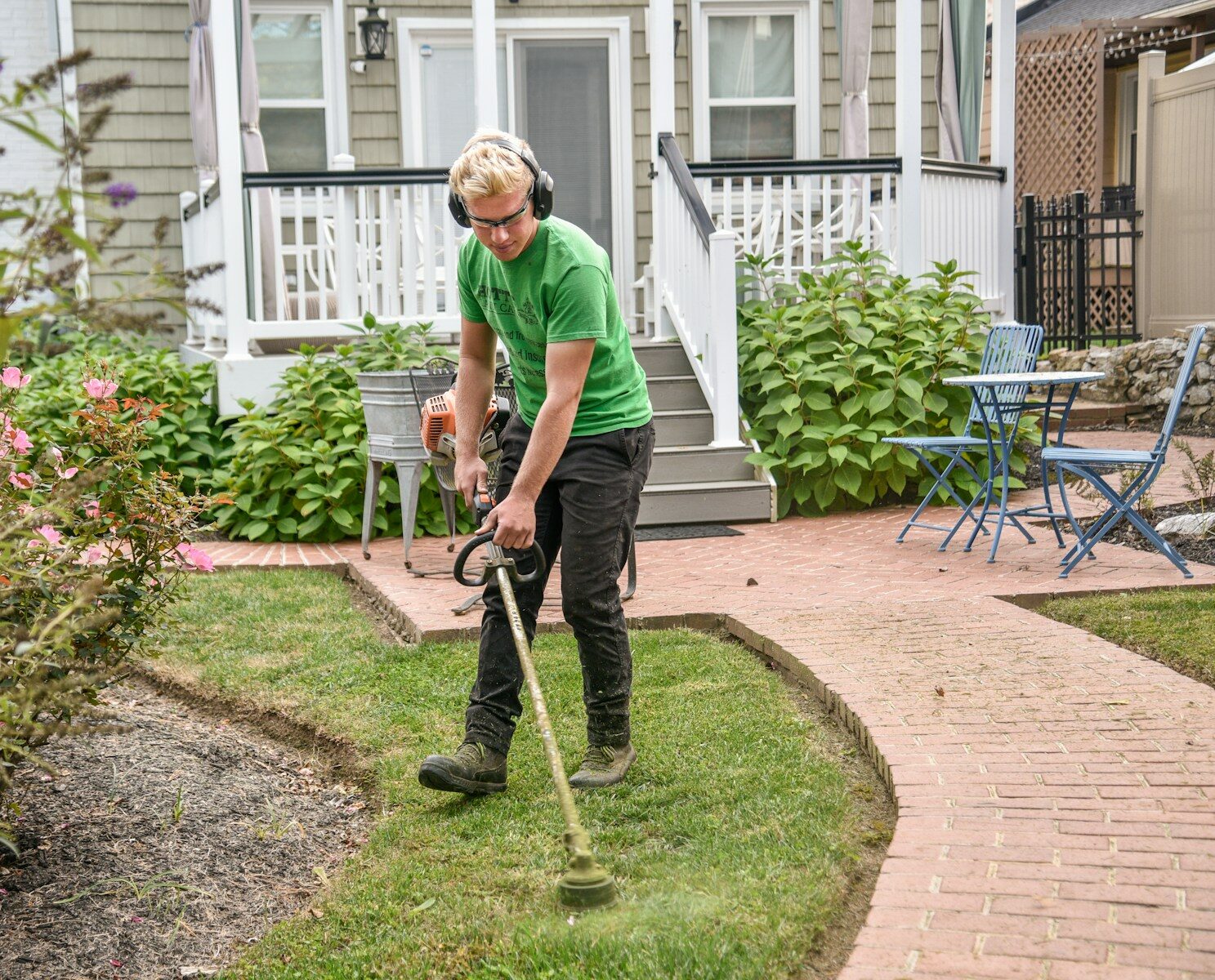
The soil compounds it. This is old dune sand: it drains almost immediately, holds little nutrient, and is repeatedly hit by salt-laden onshore wind. Turf and ornamentals stay stressed and thin, opening bare ground that hardy weeds occupy readily, while kikuyu and couch spread aggressively out of lawns into terraced beds. Access constraints matter too, narrow streets, steep driveways, stepped side paths and limited parking make large equipment unsuitable on most blocks.
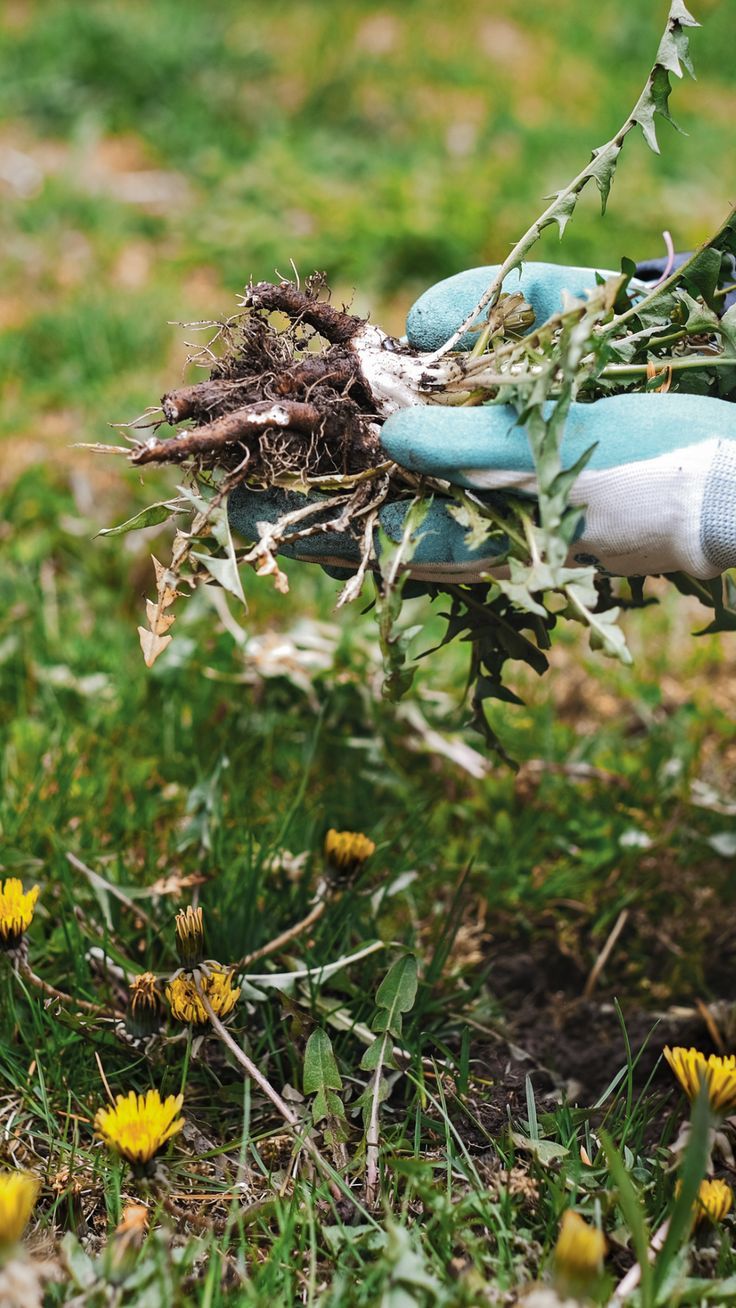
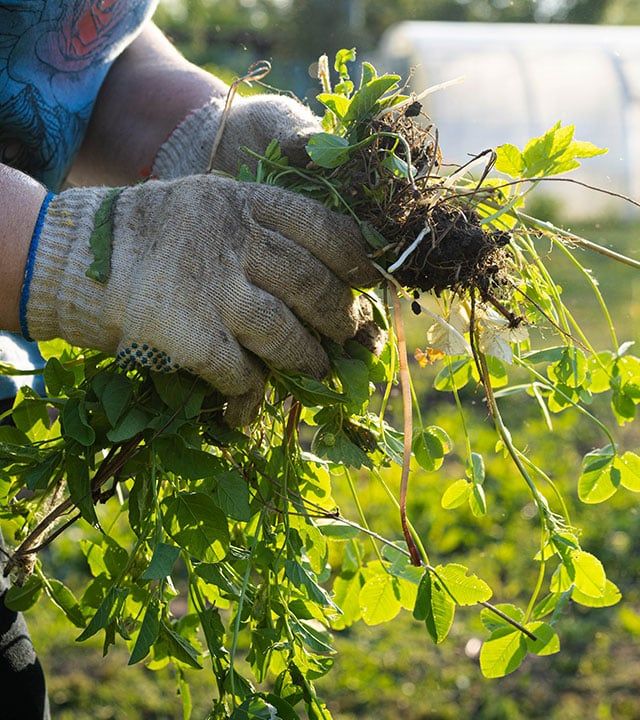
We work with those conditions rather than against them. Sloping and terraced areas are weeded by hand to protect both plantings and retaining structures, lawn treatment is chosen for turf already under coastal stress, and every cleared bed is mulched and edged so it holds through the next downpour. Where beds keep failing, we recommend replanting with salt-tolerant species that bind the soil instead of clearing the same ground twice a year.