Why Weed Control in Buderim Is Different to the Coastal Strip
Buderim sits on a basalt plateau roughly 180 metres above the coastal plain, and that elevation changes almost everything about how a garden behaves. The red krasnozem soil formed from weathered volcanic rock is deep, free-draining and unusually fertile, it's the reason the area supported ginger, bananas and sugar long before it was residential. The plateau also intercepts more rainfall than Maroochydore or Mooloolaba a few kilometres east.
For homeowners, that fertility cuts both ways. Weeds in Buderim don't just germinate quickly; they root deeply and regenerate from fragments. Nutgrass is a persistent problem in the rich soil, and the remnant rainforest gullies threading through the suburb act as a permanent seed source for environmental weeds, madeira vine, Singapore daisy, morning glory and asparagus fern all move outward from those gullies into adjoining backyards. Properties backing onto reserve land face constant re-invasion regardless of how well the bed was cleared last time.
The terrain compounds it. A large share of Buderim blocks are sloping or terraced, with retaining walls, rockeries and steep driveways. Weeds establish in wall joints and along terrace edges where nothing else grows, and heavy plateau rainfall washes mulch off slopes, exposing bare soil that reseeds within weeks. Access is often awkward, narrow side paths, steps and tiered levels make wide equipment impractical.
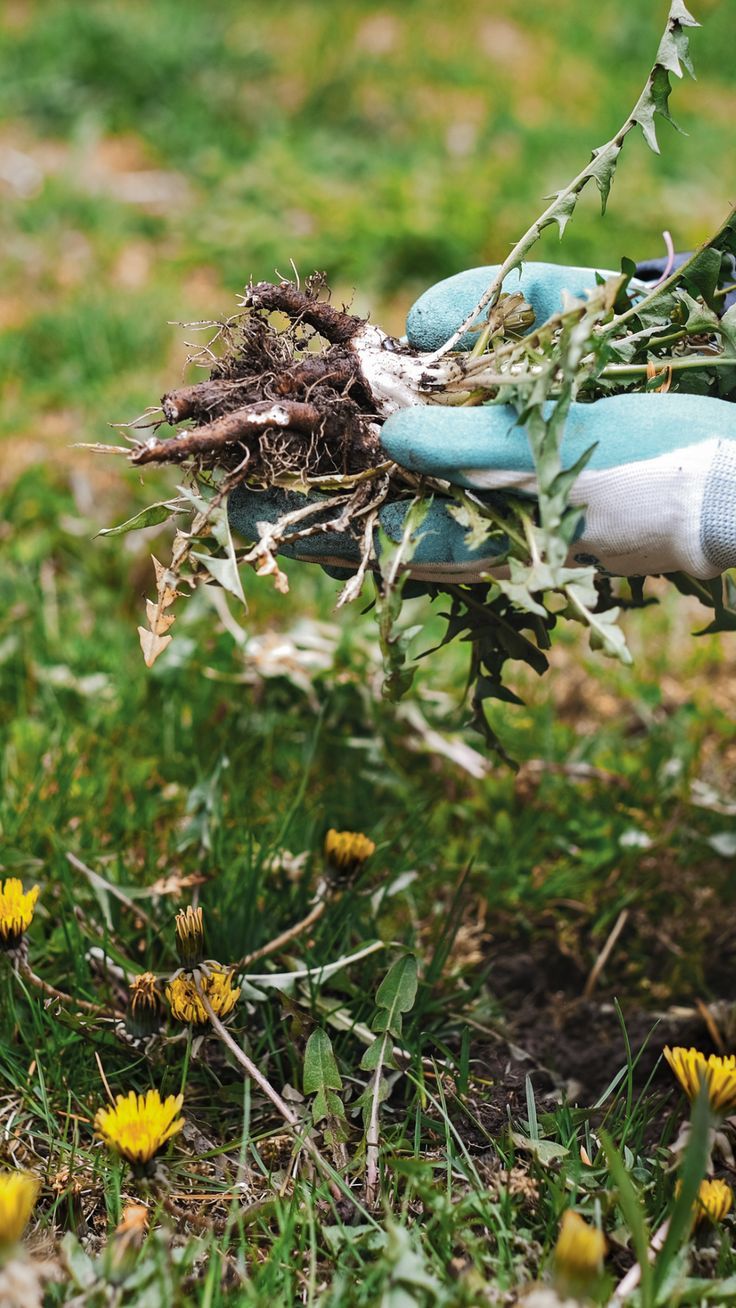
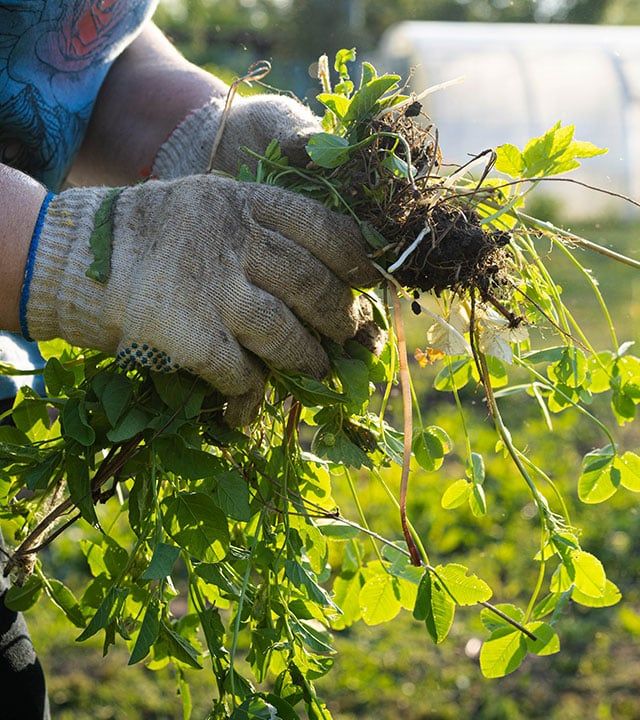
We adapt in three ways. We hand weed through planted areas so mature gardens aren't damaged, we prioritise root removal over surface clearing because Buderim's soil rewards anything left behind, and we mulch and edge cleared ground so slopes hold and beds stay closed. For properties on a bushland boundary, we generally recommend a shorter service cycle, the reserve keeps reseeding the fence line no matter what happens inside it.